October 02, 2026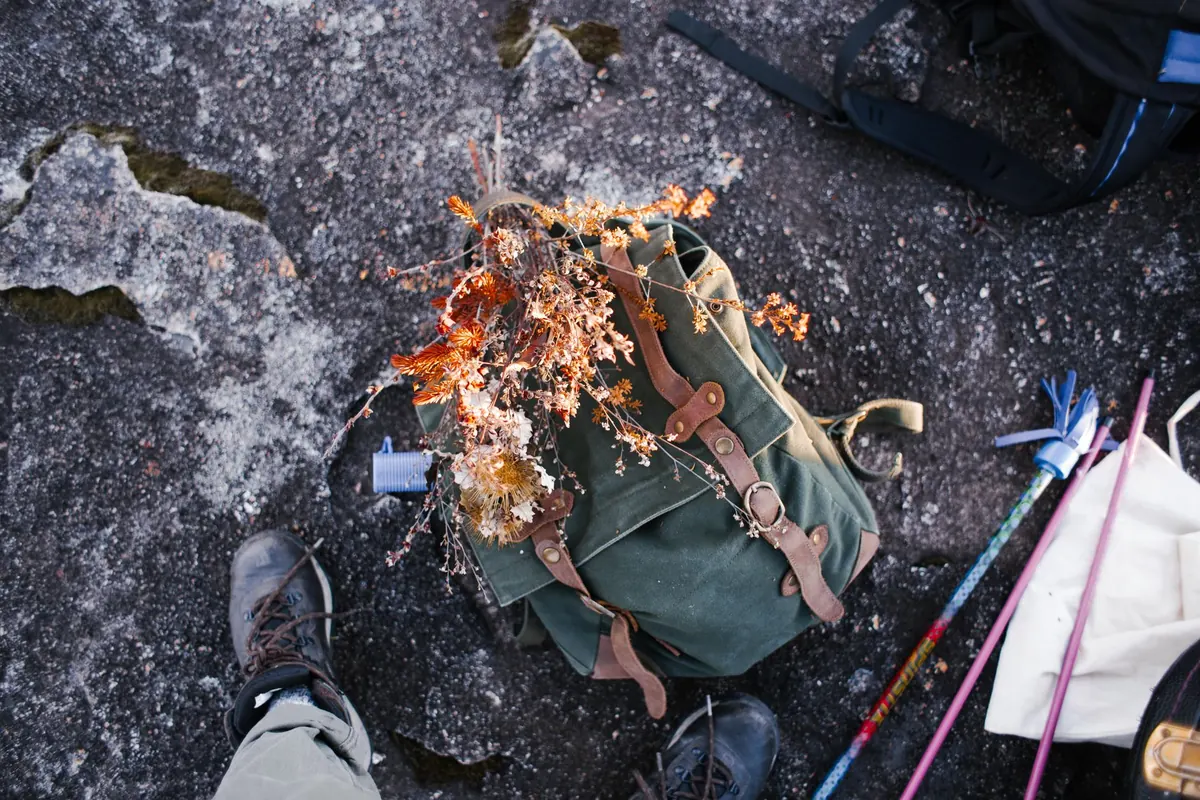
A folly is rarely convenient. It stands on the crest of a hill, at the far end of a deer park, or behind a hedge the map insists is a path. The walk in is part of the visit — often the best part — but it is also where a pleasant afternoon turns into a wet, muddy slog if you have packed for a museum rather than a field. This checklist is built around the trips folly-hunters actually make: a few hours, one or two structures, a long trudge in between, and a car parked at the end of a narrow lane.
Start with your feet
Most disappointment on a folly trip begins at ankle height. The ground around ruined towers is rarely tarmac. Expect tussocky grass, mud, cow slurry, nettles and loose flint, then worn spiral stairs, wet stone treads and a floor scattered with rubble inside. Trainers will get you to the gate; they will not get you up a spiral staircase with much confidence.
Walking boots with a decent tread and some ankle support are the sensible default. If the site sits on a floodplain or you are crossing wet meadow, wellington boots are tempting, but be honest about the distance: they are heavy, they rub, and the soles can be treacherous on smooth, damp stone. Approach shoes are a reasonable compromise for short, mostly dry routes.
Socks matter more than people admit. Wool or synthetic blends wick and cushion; cotton holds water and turns into sandpaper. Take a spare pair in a plastic bag — you will be grateful at the car.
Navigation that works when the signal doesn't
Follies are frequently in the sort of place where phone signal dies and the path on the ground fails to match the path on the screen. A paper map is not nostalgia; it is a backup that works in the rain, in a dead zone and with a flat battery. Ordnance Survey Explorer maps at 1:25,000 show field boundaries, footpaths and the tiny track leading to the estate — the detail you want when a tower appears over a hedge and you need to work out how to reach it.
Then back it up:
- Download the relevant offline map area before leaving home
- Charge the phone fully and carry a power bank with the right cable
- Write the grid reference of the car park or the site on paper
- Carry a compass, and know roughly how to take a bearing
- Tell someone your route and expected return time, and message them when you are back
One habit worth keeping: on arrival, look back the way you came and photograph the gate or junction. On the return leg, the landscape looks entirely different.
Weather: dress for the walk in, not the photograph
Exposed prospect towers and hilltop belvederes are wind tunnels. The summit can be several degrees colder than the village below and considerably breezier, and the tower offers little shelter once you are on the stairs.
Layers beat bulk. A base layer, a fleece or light insulated mid-layer, and a waterproof shell with a hood and taped seams will cover most British days. Waterproof trousers that genuinely fit over boots are the difference between a cheerful descent and a miserable one, and a hat and gloves earn their place even in summer. In warm spells, add a sun hat, sunglasses and sunscreen: parkland sites often offer no shade at all.
Check the forecast the night before and again in the morning, and check tide times for coastal follies and causeway routes. Midges deserve their own line — a head net and repellent are worth the weight in western Scotland and damp woodland from late spring to early autumn.
If you have a heart or lung condition, diabetes, or anything else that exertion, cold or heat might affect, speak to your GP before planning a long walk to a remote site rather than relying on general advice from a website.
The day bag: small things that earn their place
- Torch or head torch. Ice houses, cellars, vaulted basements and dark stairwells eat daylight.
- Basic first aid. Plasters, blister patches, antiseptic wipes and a tick removal tool, plus any personal medication.
- Water and food. A litre per person as a minimum for a half-day out, more in heat.
- Waterproofs and a spare warm layer, even on a promising morning.
- Spare socks and a bin bag for wet kit.
- Emergency odds and ends. A whistle and a foil blanket weigh almost nothing.
- Notebook and pencil. Dates, initials, brickwork, a carved keystone — you will forget by teatime.
- Camera or binoculars, and a cloth for the lens.
- Cash for honesty-box parking, farm shops and cafés that do not take cards.
- A sit mat or folded foam square. Stone ledges are cold and damp.
Two small habits worth adopting
First, check for ticks after walking through long grass or bracken: legs, waist and hairline are the usual places. If you later feel unwell or notice a spreading rash, seek medical advice promptly. Second, do not climb. Loose coping stones, crumbling crenellations and rotten floors are the real hazards at ruins, so admire from a sensible distance and keep children close.
Food, water and the walk back
Rural opening hours are unforgiving. Village pubs often close between lunch and evening service, and shops in small settlements may shut on Sundays or close early. Carry more water than you think you need and do not assume you will find a tap.
The return leg is where plans quietly fail. Allow extra time, especially in fading light, and factor in stiles, gates, muddy gateways and livestock that has drifted onto the path since you came through.
Access, livestock and leaving things as you found them
Access rules vary across the UK. In England and Wales, public footpaths and open access land give you rights along marked routes and across designated areas. In Scotland, the right of responsible access is broader, but it comes with responsibilities of its own. Many follies stand on private farmland or within the grounds of a house, where you need permission.
Close gates behind you. Do not climb walls or push through hedges. Keep dogs on leads around livestock and ground-nesting birds. Fly drones only where you have permission, and never over a private house. If you are unsure whether you may walk somewhere, ask the landowner or the relevant national access body — this is not a question to settle with a blog post.
Good kit does not make a visit interesting. It simply gets out of the way.
Before you set off: the night-before routine
Pack the bag by the door the evening before, so nothing is forgotten in the morning rush. Charge the phone and power bank, download the map area, fill the water bottle, and check both the forecast and the sunset time. Leave a note of your route and expected return.
In the car, keep a towel, a spare pair of boots and a flask. Those three items rescue more days out than any expensive gadget.
In the morning, a final look at the sky is worth more than the forecast on your screen. On the way home, do the tick check, dry the kit properly and write up what you saw while it is fresh: the inscription, the shape of the window, the odd bit of Gothick detailing that will otherwise blur into every other ruin.
Nothing on this list is expensive or exotic, which is rather the point. The less you have to think about your feet, your map and your coat, the more attention you can give to a crumbling sham castle on a hill.
Photo: Rachel Claire / Pexels